
Multiplexed Gene Editing and RNA Expression Made Simple

Why Gene Editing Still Falls Short

Gene editing holds promise across research and medicine, yet safely delivering editing tools into cells remains a major hurdle. Simultaneous delivery of multiple cargos—such as CRISPR RNPs, mRNAs, and tracers—is rarely achieved, as existing methods like electroporation or viral transduction often damage cells, trigger inflammation, and restrict cargo type or size. 
A New Approach to High-Efficiency, Multi-Cargo Gene Editing

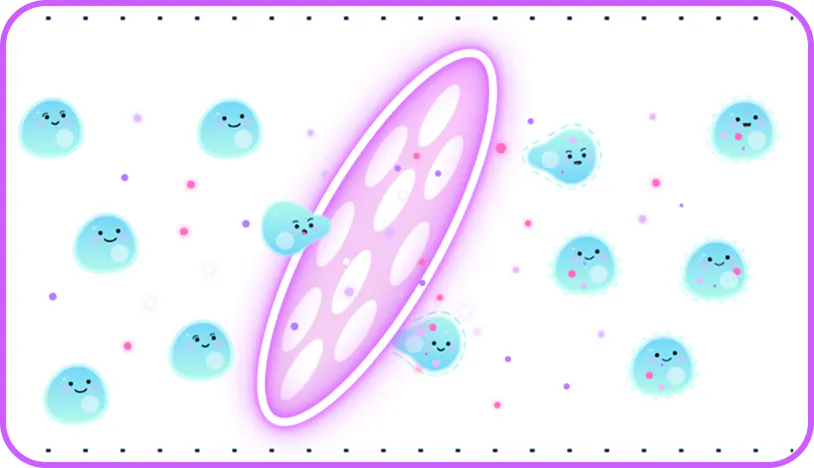
Portal’s delivery platform uses brief mechanical deformation to transiently open cell membranes, enabling direct cytosolic delivery of virtually any cargo before the membrane reseals.This approach is non-electrical, carrier-free, and gentle—minimizing stress while preserving viability and phenotype. Our process efficiently delivers CRISPR RNPs, mRNA, DNA, and nanoparticles, enabling rapid and reproducible engineering of delicate primary cells.

What if Gene Editing and RNA Expression Could Happen Together in One Coordinated Step?

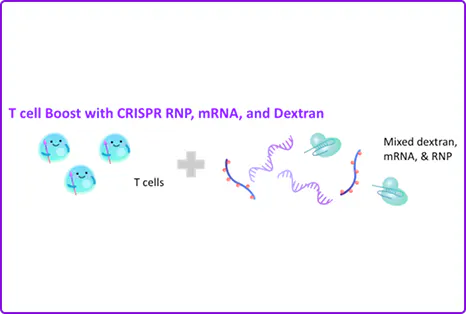
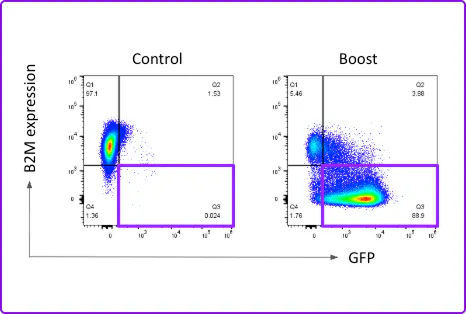
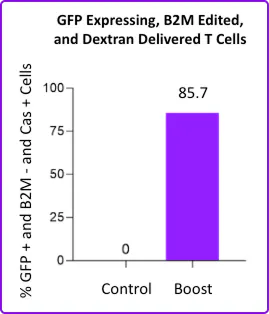
Using unstimulated primary human T cells, we simultaneously delivered CRISPR RNPs targeting B2M to assess genome editing efficiency, GFP mRNA as a transient reporter of cytosolic translation, and fluorescent dextran to track macromolecule uptake—all in a single delivery step without prior T-cell activation. Within 24 hours post-treatment, ~85.7% of cells exhibited concurrent GFP expression, B2M knockout, and dextran uptake.

Unlocking the Next Generation of Gene Editing

Portal expands what’s possible in cell engineering—making multiplex genome editing and RNA expression accessible to any lab. With the flexible, gentle, non-viral approach, researchers can integrate multiple functions within a single workflow, accelerating discovery, improving cell quality, and enabling complex engineering strategies once out of reach. With Portal, advanced cell modification becomes faster, safer, and fundamentally simpler.