

Engineer red blood cells (RBCs) for oncology, autoimmunity and beyond

Who this is for:

  • Cell therapy groups looking to engineer red blood cells (RBCs) for oncology, autoimmunity and beyond

Opportunities

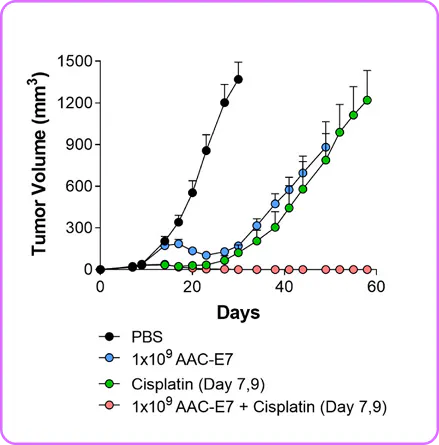
  • Vaccines: RBCs loaded with antigens + adjuvant can act as carriers that safely deliver these molecules to the immune system, eliciting a protective immune response. This approach has been used for HPV+ tumors previously and shown initial clinical efficacy1
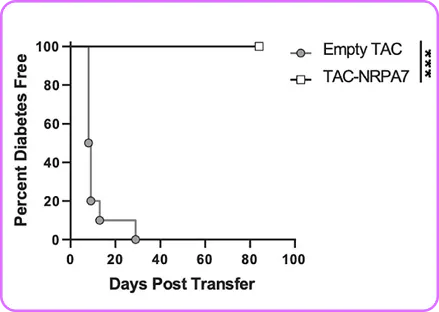
  • Antigen-specific tolerance: RBCs loaded with self-antigens can promote immune tolerance by presenting them in a non-inflammatory context, reducing autoimmune or allergic reactions in an antigen-specific manner. Has been tested preclinically and shown animal proof of concept as a type 1 diabetes (T1D) therapy2
  • Enzyme replacement therapies: RBCs encapsulating therapeutic enzymes can provide long-lasting, steady delivery in the bloodstream, correcting metabolic deficiencies while protecting enzymes from rapid degradation.

Results Obtained

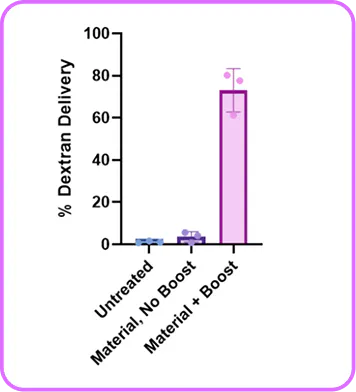
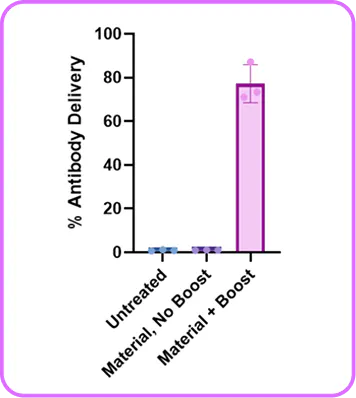
  • Delivery of fluorescently labeled dextrans and antibodies
    Limits of delivery parameters actively being investigated as part of Portal’s work with DARPA
  • Early proof of concept in animal models and human trials for RBC-based products in autoimmunity and oncology
Why does RBC delivery matter?

Red blood cells are ideal carriers because they are abundant, have unique biological properties, circulate for up to 120 days, and can be readily infused using existing clinical infrastructure. RBC properties can be leveraged for unique applications when loaded with various cargos. For example RBCs interact with the immune system: they can present cargo to stimulate immune responses or promote tolerance in a non-inflammatory context. This dual capacity makes RBC-based therapies a versatile platform for applications ranging from vaccines to autoimmune disease treatments.

Direct Delivery to Red Blood Cells via Mechanoporation

Using a lightly modified Gateway (available to the public soon!) we directly delivered cargo to RBCs. We’ve demonstrated the ability to deliver small and large molecules and expect this to transfer to the larger variety of cargos mechanoporation is compatible with.

Immune tolerance 

RBCs loaded with self-antigens can promote immune tolerance by presenting them in a non-inflammatory context

RBCs loaded with self-antigens can promote immune tolerance by presenting them in a non-inflammatory context. Prior work has shown that RBCs loaded with antigen (TAC-NRPA7) stop diabetes onset in mice (Fig 3)

(Raposo C, et al. 2022 Frontiers in Immunology)

Immune activation

RBCs loaded with antigens + adjuvant can act as carriers that safely deliver these molecules to antigen presenting cells and induce a powerful anti-tumor response

RBCs loaded with tumor antigen and adjuvant are capable of combating tumor growth as a monotherapy and curing disease as a combination with first-line chemo.

(Blagovic K, et al. 2022 Frontiers in Immunology)

  1. Blagovic K, Smith CK, Ramakrishnan A, Moore L, Soto DR, Thompson Z, et al. Engineered red blood cells (activating antigen carriers) drive potent T cell responses and tumor regression in mice. Front Immunol. 2022;13:1015585. doi: 10.3389/fimmu.2022.1015585.
  2. Raposo CJ, Cserny JD, Serena G, Chow JN, Cho P, Liu H, et al. Engineered RBCs encapsulating antigen induce multi-modal antigen-specific tolerance and protect against type 1 diabetes. Front Immunol. 2022;13:869669. doi: 10.3389/fimmu.2022.869669.