


How our partnership with HighRes Biosolutions is enabling novel live-cell assays at unprecedented scale
The pharma industry faces a fundamental challenge: many promising drug candidates fail because early-stage screening doesn't accurately represent the complex environment inside living cells. Traditional biochemical assays, while useful, often miss critical biological interactions that only occur in the cellular context where these compounds will ultimately need to work.
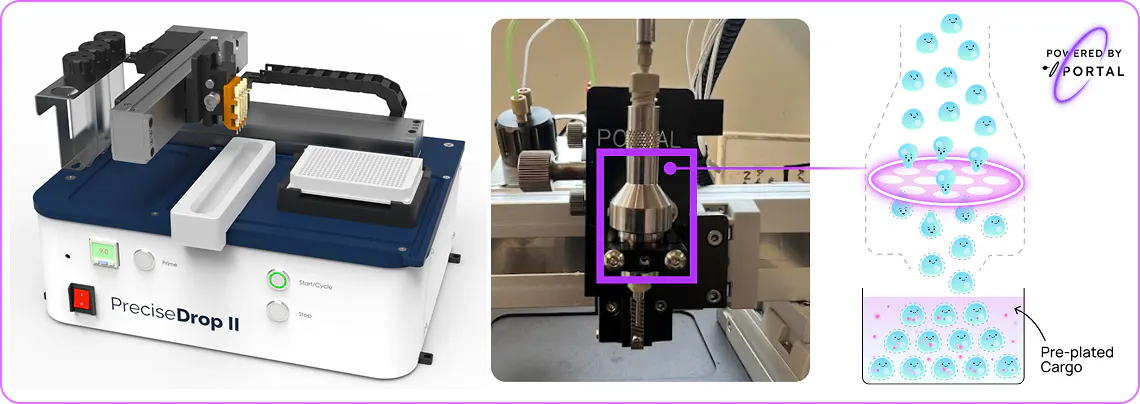
At Portal Bio, we've been tackling this challenge head-on with our innovative mechanoporation technology. Now, through an exciting partnership with HighRes Biosolutions, we're bringing this capability to high-throughput screening.
The Challenge: Getting Beyond Biochemical Screens
Most early drug discovery workflows rely on biochemical and lysate-based systems that, while convenient for screening, create an artificial environment that's fundamentally different from living cells. This disconnect means researchers often miss crucial biological insights that could guide better drug development decisions early in the process.
The solution seems obvious: conduct screening directly in live cells. But there are major obstacles standing in the way. First, many of the most interesting drug candidates—including small molecules, peptides, PROTACs, DNA-encoded libraries (DELs), macrocycles, and nucleic acids—simply can't cross the cell membrane on their own. They're essentially locked out of their target environment. Second, even when compounds do reach their intracellular targets, measuring their effects presents another challenge. Traditional detection methods often require cell lysis, destroying the very biological context researchers are trying to preserve.
Our Solution: Mechanoporation That Works at Scale
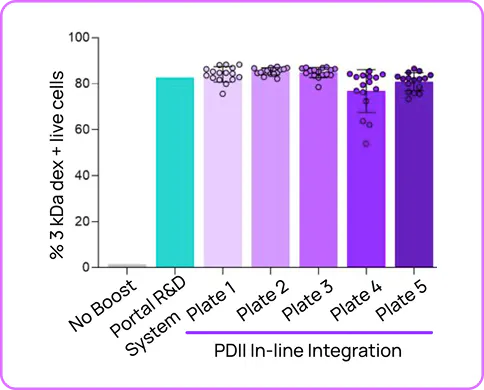
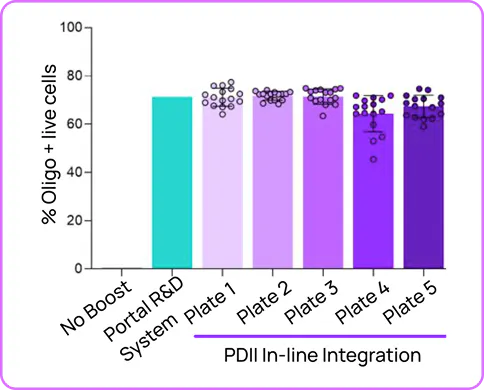
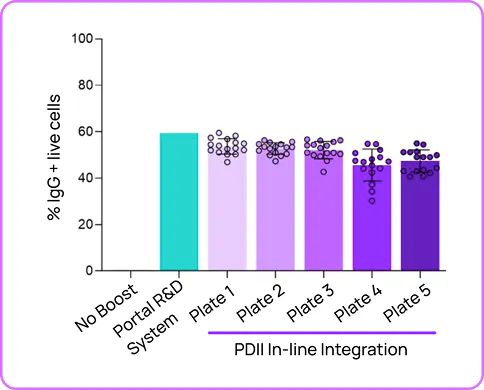
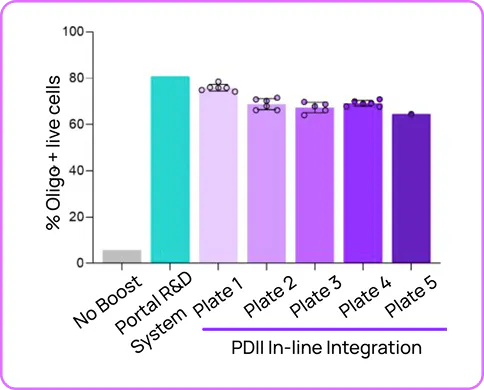
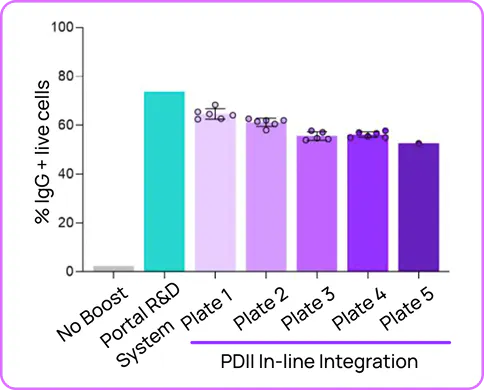
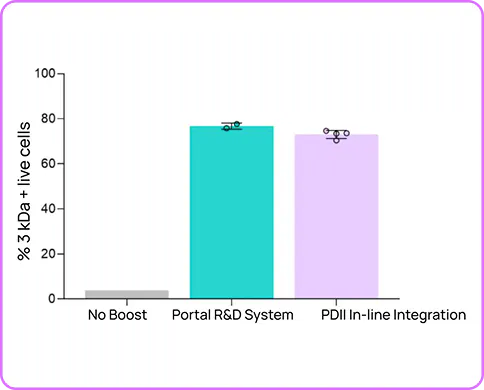
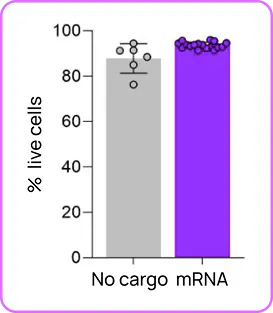
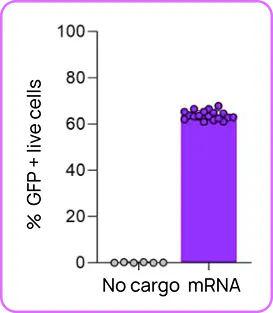
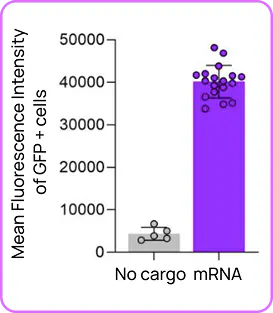
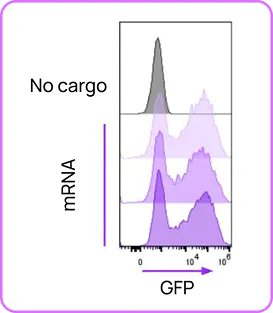
Portal's mechanoporation technology offers an elegant solution to this delivery challenge. Our approach uses controlled mechanical deformation to create temporary openings in cell membranes, allowing diverse cargo types to enter the cytosol before the membrane naturally reseals. What sets our technology apart is its gentleness and scalability. Cells are "boosted" through precisely engineered pores in silicon membranes using low operating pressures that maintain cell health while enabling efficient intracellular delivery. This process works across a wide range of cell types—from established cell lines to precious primary cells—and can deliver multiple different cargos simultaneously.